 EN
EN

សារធាតុប៉ូលីផ្លូប៉ីលីនត្រូវបានប្រើយ៉ាងទូទៅដើម្បីជាប់គ្នាជាមួយបេតុង សារធាតុម៉ូតារ និងសម្ភារៈសាងសង់ផ្សេងៗទៀត។ ទោះយ៉ាងណាក៏ដោយ អត្ថប្រយោជន៍របស់សារធាតុនេះ ដូចជាការកាត់បន្ថយការប៉ះទង្គិច ភាពធន់ទ្រាំនឹងការប៉ះទង្គិច និងភាពធន់ទ្រាំបានកើនឡើង អាចសម្រេចបានតែនៅពេលដែលសារធាតុទាំងនេះត្រូវបានរាយប៉ាយយ៉ាងស្មើស្មានទូទាំងសារធាតុរួម។ ការរាយប៉ាយមិនល្អនាំឱ្យមានការប្រមូលផ្តុំគ្នារបស់សារធាតុ កន្លែងខ្សះខាត និងប្រសិទ្ធភាពទាប។ ក្រុមហ៊ុន Hebei Runhuabang New Material Technology Co., Ltd. គឺជាក្រុមហ៊ុនមួយដែលផ្តោតលើការប៉ះទង្គិច ការដំណាំ និងការចែកចាយសារធាតុរាវមិនមែនលោហៈ ដូចជាសារធាតុប៉ូលីផ្លូប៉ីលីន។ ដោយការប្រើប្រាស់ប្រកបដោយប្រសិទ្ធភាពនូវអត្ថប្រយោជន៍ភូមិសាស្ត្រ និងធនធានក្នុងតំបន់ យើងជួយអតិថិជនរបស់យើងឱ្យរៀនពីរបៀបសាកល្បង និងពិនិត្យគុណភាពនៃការរាយប៉ាយក្នុងដំណាំដែលធ្វើឡើងក្នុងស្ថានភាពធំៗ។
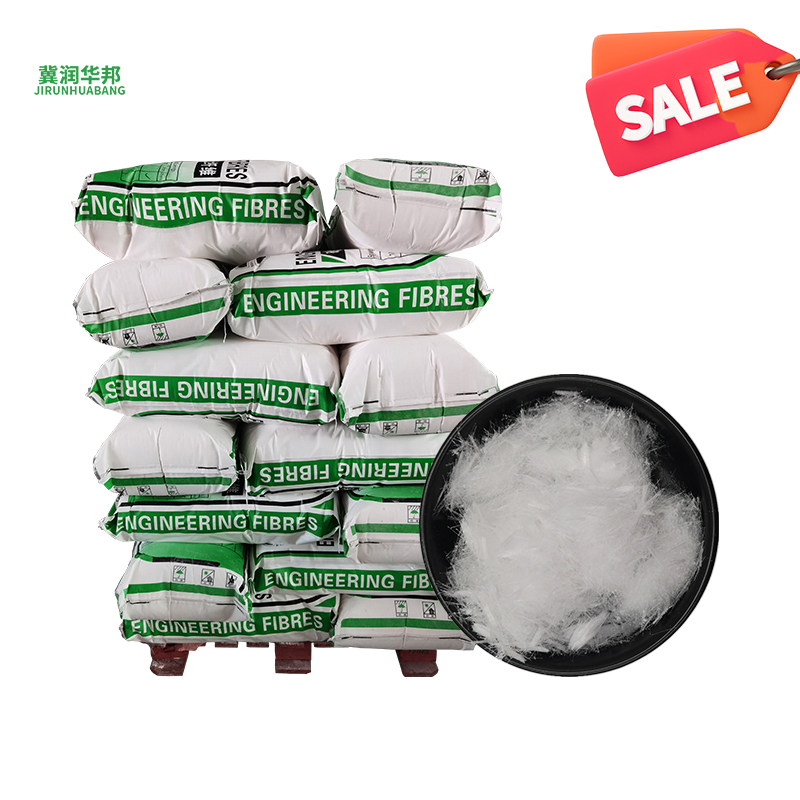
ហេតុអ្វីបានជាគុណភាពនៃការរាយប៉ាយកំណត់ប្រសិទ្ធភាពរបស់សារធាតុ
សារៈសំខាន់បំផុតនៃការបន្ថែមសូត្រប៉ូលីប្រូពេលីនទៅក្នុងបេតុង ឬម៉ូត៍ គឺដើម្បីបង្កើតរចនាសម្ព័ន្ធបង្កាំងបើកចំហរបែបបីវិមាត្រសម្រាប់វត្ថុធាតុ។ សូត្រដែលបានរាយប៉ាយយ៉ាងល្អត្រូវបានចាត់ទុកថា ជាសូត្ររាប់លាន់ដុំតូចៗ ដែលប៉ះទង្គិចនឹងរន្ធមីក្រូមុនពេលវាអាចអភិវឌ្ឍទៅជាបញ្ហាធ្ងន់ធ្ងរ។ សូត្រដែលមិនបានរាយប៉ាយល្អ នឹងបង្កើតជារាងគ្រាប់ ឬជាក្រុមដែលហៅថា «ឆាកស្លាប»។ ក្រុមសូត្រទាំងនេះមិនត្រឹមតែមិនផ្តល់ការបង្កាំងប៉ុណ្ណោះទេ ប៉ុន្តែថែមទាំងបង្កើតជាការខូចខាតដែលអាចបណ្តាលឱ្យមានរន្ធ។ ដូច្នេះ ការសាកល្បងគុណភាពនៃការរាយប៉ាយ មិនមែនជាការផ្តល់ជាបន្ថែមទេ ប៉ុន្តែវាជាសំណុំសំខាន់បំផុតមួយនៃការគ្រប់គ្រងគុណភាព។ ក្រុមហ៊ុន Hebei Runhuabang New Material Technology Co., Ltd. ផលិតសូត្រប៉ូលីប្រូពេលីនដែលមានការព្យាបាលផ្ទៃ និងសមាមាត្រប្រវែងលើប្រសាទ ដែលត្រូវបានគ្រប់គ្រងយ៉ាងតឹងរ៉ឹង ដើម្បីធានាថា សូត្រទាំងនេះអាចរាយប៉ាយបានយ៉ាងងាយស្រួលនៅក្នុងទីកន្លែង ប៉ុន្តែសូត្រដែលប្រសើរបំផុតក៏ត្រូវការការលាយ និងពិនិត្យឱ្យបានល្អដែរ។
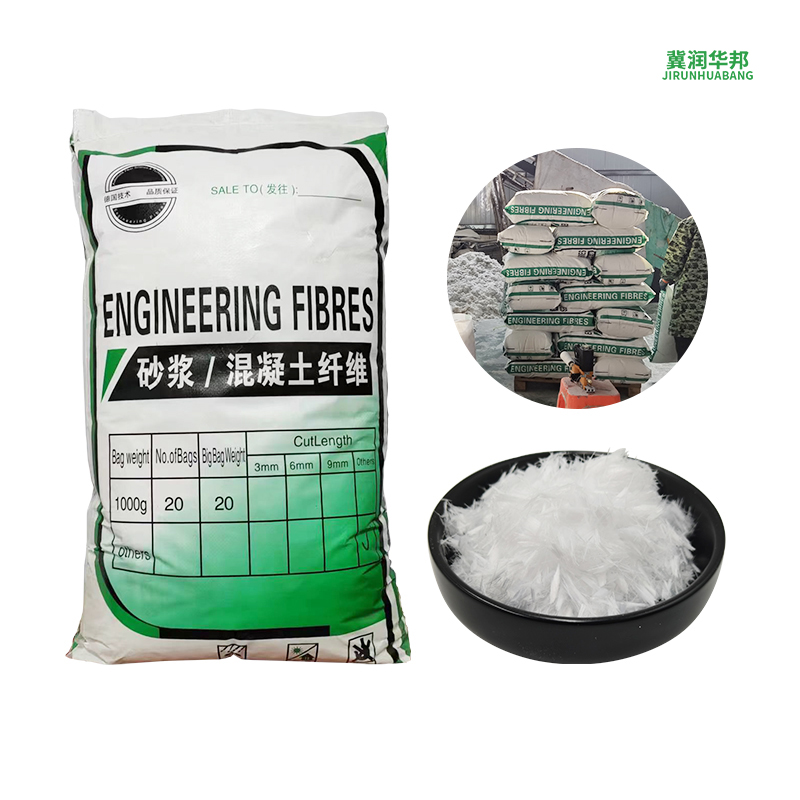
ទស្សនៈ វិធីសាកល្បង សម្រាប់សារធាតុលាយថ្មី
ការត្រួតពិនិត្យដោយភ្នែកចំពោះសារធាតុថ្មីដែលបានលាយគឺជាវិធីសាស្ត្រងាយស្រួល និងរហ័សបំផុតក្នុងការធ្វើតេស្តការរាយប៉ាយសូត្រ។ គំរូបេតុង ឬម៉ូត់ត្រូវតែយកទៅវាស់ភ្លាមៗបន្ទាប់ពីការលាយ ហើយរាយចេញលើផ្ទៃរាបស្មើ ឬសំអាតដោយប្រុងប្រយ័ត្នលើស្ក្រីន។ សូត្រប៉ូលីផ្លូប៊ីលីនប្រភេទបារុងត្រូវបានបង្ហាញក្នុងទម្រង់សូត្រដែលមានរាងជាប៉ែកៗដាច់ពីគ្នា ដែលរាយប៉ាយស្មើគ្នាក្នុងគំរូ ហើយគ្មានការប្រមុះ ឬការប្រមុះជាកញ្ចក់ណាមួយអាចមើលឃើញបានទេ។ អ្នកត្រួតពិនិត្យអាចស្វែងរកនៅតំបន់ដែលសូត្រមាននៅច្រើន ឬនៅតំបន់ដែលគ្មានសូត្រសោះ។ នៅពេលដែលការផលិតមានបរិមាណច្រើន គំរូត្រូវតែយកពីទីតាំងផ្សេងៗគ្នាក្នុងមួយចំណុះ ឧទាហរណ៍ដូចជា ខាងលើនៃការចេញផលិតពីម៉ាស៊ីនលាយ ផ្នែកកណ្ដាល និងផ្នែកក្រោម។ ក្រុមហ៊ុន Hebei Runhuabang New Material Technology Co., Ltd. ណែនណែនអតិថិជនឱ្យបង្កើតផែនការត្រួតពិនិត្យដោយភ្នែកជាប្រចាំ ដែលមានគោលការណ៍ច្បាស់លាស់សម្រាប់ការឆ្លង ឬមិនឆ្លង។ បុគ្គលិកប្រតិបត្តិត្រូវតែទទួលបានការបណ្តុះបណ្តាលដើម្បីអាចកំណត់បាននូវការរាយប៉ាយធម្មតា និងបញ្ហាប្រមុះ។
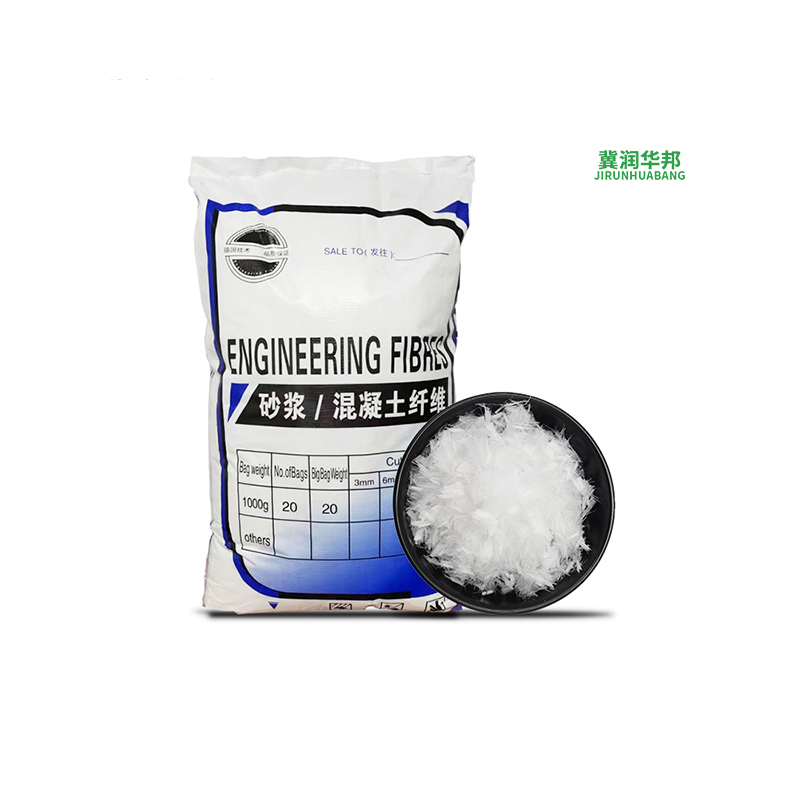
ការធ្វើតេស្តសំអាតសម្រាប់ បរិមាណ ការវាយតម្លៃ
ដើម្បីគ្រប់គ្រងគុណភាពបន្ថែមទៀត ការធ្វើតេស្តលាងអាចផ្តល់តម្លៃលេខសម្រាប់ការរាយរាយនៃសារធាតុសរសៃ។ គំរូបេតុង ឬម៉ាស៊ីនបេតុងថ្មីមួយនៅក្នុងវិធីសាស្ត្រនេះ ត្រូវបានលាងដោយប្រើជួរនៃសេវ៉ែរ (sieves) ដើម្បីដកចេញនូវសារធាតុបេតុង និងថ្មបាក់ដែលមានទំហំតូចៗ។ សរសៃប៉ូលីប្រូពេលីនដែលនៅសល់ បន្ទាប់មកត្រូវបានប្រមូល និងវិភាគ។ គំរូដែលមានការរាយរាយស្មើគ្នានឹងផលិតសរសៃតែមួយៗដែលរាយរាយស្មើគ្នាលើផ្ទៃនៃសេវ៉ែរ។ ចំណែកឯគំរូដែលមានការរាយរាយមិនស្មើគ្នាវិញ នឹងមានសរសៃជាក្រុមតែមួយ ឬជាបាល់។ ក្រុមសរសៃទាំងនេះអាចរាប់បានតាមចំនួន និងទំហំរបស់វា ដើម្បីប្រើក្នុងការគ្រប់គ្រងដំណាំស្ថិតិ។ ក្រុមហ៊ុន Hebei Runhuabang New Material Technology Co., Ltd. សហការជាមួយអតិថិជនដើម្បីកំណត់ដែនកំណត់ដែលអាចទទួលយកបានសម្រាប់ទំហំ និងប្រេកង់នៃក្រុមសរសៃ ដោយផ្អែកលើការប្រើប្រាស់ដែលពួកគេត្រូវការ។ ការធ្វើតេស្តនេះអាចធ្វើបាននៅក្នុងមន្ទីរពិសោធន៍គ្រប់គ្រងគុណភាព ក្នុងរយៈពេលតិចជាងប្រាំមួយនាទី ហើយដូច្នេះវាមានសារៈប្រយោជន៍សម្រាប់ធ្វើជាប្រចាំ។
ការកែសម្រួលការច្របាច់ វិធីសាស្ត្រ ដើម្បីធ្វើឱ្យការរាយរាយប្រសើរឡើង
នៅពេលដែលការធ្វើតេស្តការរាយបាយបង្ហាញពីបញ្ហា ជាញឹកញាប់អាចដោះស្រាយបញ្ហាបានដោយការកែប្រែដំណាំការច្របាច់ ប៉ុន្តែមិនមែនការកែប្រែសូត្រទេ។ សូត្រប៉ូលីផ្លូប៉ីលីនត្រូវការថាមពល និងពេលវេលាគ្រប់គ្រាន់ដើម្បីច្របាច់ឱ្យបានល្អ ដើម្បីឱ្យវារាយបាយ និងចេញមកជាសូត្រតែមួយៗ។ សូត្រអាចជាប់គ្នាក្នុងអំឡុងពេលដែលបន្ថែមវាទៅក្នុងដំណាំការច្របាច់នៅដើម ឬចុងបញ្ចប់នៃដំណាំការ។ ការអនុវត្តដែលល្អបំផុតមួយគឺ ជាញឹកញាប់បញ្ចូលសូត្រប៉ូលីផ្លូប៉ីលីន បន្ទាប់ពីគ្រឿងផ្សំស្ងួតទាំងអស់ត្រូវបានច្របាច់រួចរាល់ ប៉ុន្តែមុនពេលបន្ថែមទឹកច្របាច់ភាគច្រើន។ សូត្រត្រូវបានបញ្ចូលជាជំហានៗ ហើយមិនគួរបញ្ចូលទាំងមួយដំណាំក្នុងពេលតែមួយទេ។ ពេលវេលាដែលច្របាច់បន្ទាប់ពីបន្ថែមសូត្រ ជាទូទៅគឺមួយទៅពីរនាទី។ ក្រុមហ៊ុន Hebei Runhuabang New Material Technology Co., Ltd. ផ្តល់សេវាកម្មបច្ចេកទេសដើម្បីជួយអតិថិជនឱ្យប្រើប្រាស់ដំណាំការច្របាច់ឱ្យបានប្រសើរបំផុត សម្រាប់ប្រភេទម៉ាស៊ីនច្របាច់ផ្សេងៗគ្នា ដូចជា ម៉ាស៊ីនច្របាច់ប៉ាន (pan mixers) ម៉ាស៊ីនច្របាច់ប៉ាន់ (drum mixers) និងម៉ាស៊ីនច្របាច់ពីរអ័ក្ស (twin-shaft mixers)។
ការជៀសវាងបញ្ហាទូទៅ មូលហេតុ នៃការរាយបាយមិនល្អ
ការរាយប៉ាយសូត្រដែលមិនល្អ អាចបណ្តាលមកពីកត្តាជាច្រើន ទោះបីជាសូត្រប៉ូលីផ្លូប៉ីលីនមានគុណភាពល្អក៏ដោយ។ អត្រាប្រវែងការចំរុះយឺត មិនបង្កើតបាននូវកម្លាំងកាត់គ្រប់គ្រាន់ដើម្បីបំបែកកញ្ចក់សូត្រទេ។ អត្រាបរិមាណសូត្រលើសពីពីរភាគរយ ត្រូវបានចាត់ទុកថាខ្ពស់ ហើយមានគ្រោះថ្នាក់ខ្ពស់ដែលបណ្តាលឱ្យសូត្រជាប់គ្នាជាក្រុម ទោះបីជាគុណភាពការចំរុះល្អប៉ុណ្ណាក៏ដោយ។ ការមានសំណើមលើស ទោះបីជាលើកញ្ចក់សូត្រ ឬលើលក្ខខណ្ឌការផ្ទុកក៏ដោយ អាចបណ្តាលឱ្យសូត្រជាប់គ្នាមុនពេលចូលទៅក្នុងម៉ាស៊ីនចំរុះ។ ក្រុមហ៊ុន Hebei Runhuabang New Material Technology Co., Ltd. បានជូនដំណឹងដល់អតិថិជនអំពីគ្រោះថ្នាក់ទាំងនេះ ហើយផ្តល់សូត្រប៉ូលីផ្លូប៉ីលីនក្នុងកញ្ចក់ដែលការពារការចូលរបស់សំណើម។ វិធានការត្រួតពិនិត្យគុណភាពរបស់យើងដែលមានស្ថេរភាពខ្ពស់ នឹងធានាថា សូត្រដែលចេញពីរោងចក្ររបស់យើងគឺស្ងួត ហើយអាចហូរបានដោយសេរី។
សេចក្តីសន្និដ្ឋាន
ដើម្បីធានាបាននូវសមត្ថភាពដែលស្មើគ្នានៃការពង្រឹង ការសាកល្បងគុណភាពនៃការរាយប៉ាយសូត្រប៉ូលីផ្លូប៉ិលីននៅក្នុងការចាប់ផ្តើមច្រើនទំហំធំគឺជាការចាំបាច់ខ្លាំង។ ការត្រួតពិនិត្យដោយភ្នែក និងការសាកល្បងដោយការលាងគឺជាវិធីសាស្ត្រងាយស្រួលដើម្បីពិនិត្យមើលថា មិនមានការប្រមុះគ្នារបស់សូត្រដែលបង្កគ្រោះថ្នាក់ និងថាសូត្រទាំងនេះត្រូវបានរាយប៉ាយដោយស្មើគ្នា។ ការផ្លាស់ប្តូរដំណាំការចាប់ផ្តើមអាចជាដំណោះស្រាយដ៏ល្អណាស់នៅពេលដែលបញ្ហាកើតឡើង ជាជាងការផ្លាស់ប្តូរអ្នកផ្គត់ផ្គង់សូត្រ r ក្រុមហ៊ុន Hebei Runhuabang New Material Technology Co., Ltd. បានបញ្ចូលបច្ចេកវិទ្យាទំនើបនៃការផលិតជាមួយនឹងប្រព័ន្ធគ្រប់គ្រងច្រើនស្រទាប់ដែលទាន់សម័យ ដើម្បីផ្តល់សូត្រប៉ូលីផ្លូប៉ិលីនដែលមានលក្ខណៈរាយប៉ាយល្អ។ យើងបើកទ្វាររបស់យើងទៅកាន់អ្នកជំនួញក្នុងស្រុក និងអន្តរជាតិ ហើយអញ្ជើញពួកគេឱ្យចរចារសហការ និងរីកលូតលាស់រួមគ្នា។